


Lime Plasters and Stucco
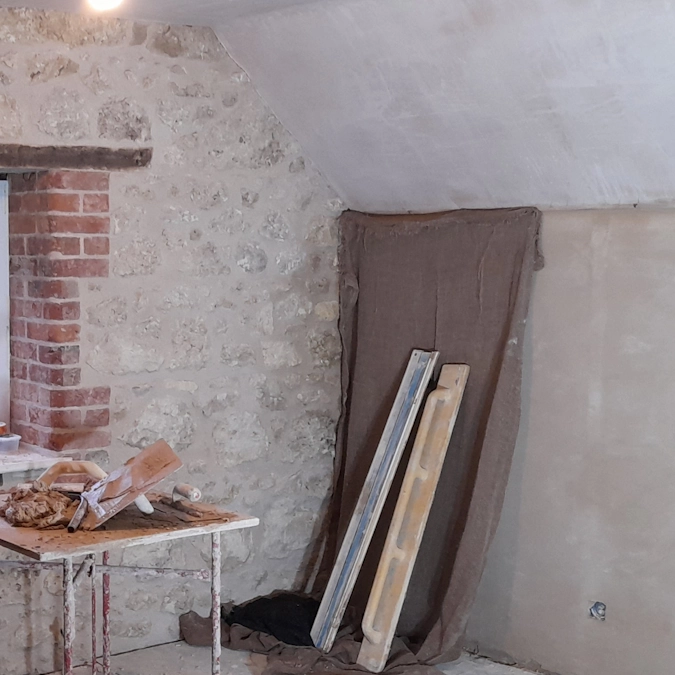
Many older properties were originally constructed using lime plaster, lime mortar, and clay brickwork. Specialist care is required to maintain and repair these materials correctly.
Lime plaster is a breathable system, allowing moisture to move through the structure naturally. This helps regulate damp and protects the long-term health of traditional buildings.
Assessment, repair, and replacement using appropriate lime-based materials can be provided where required.
Types of Material
Hydrated, Air Lime and Natural Hydraulic Limes (NHL) are various types of Lime used in buildings. The most common, Hydraulic lime comes in different strengths which affect both its breathability and durability. The higher the hydraulic set, the stronger and denser the material, but the less vapour-permeable it becomes. Choosing the correct type is important to ensure compatibility with your building fabric:
NHL 2 (Feebly Hydraulic) – Soft, highly breathable, suitable for internal plastering and softer masonry. Best for sheltered or low-exposure areas.
NHL 3.5 (Moderately Hydraulic) – Balanced strength and breathability, widely used for external walls, repointing, and general restoration work.
NHL 5 (Eminently Hydraulic) – Strong and durable, less permeable, used in exposed conditions or marine environments.
Other materials such as cement mortars, gypsum plasters, and acrylic paints are generally non-breathable. These can trap moisture, leading to decay of bricks, stone or timber. For successful refurbishment, always match lime-based plasters, mortars, and breathable finishes to preserve the natural moisture balance of the property.